
Route planning that fits your property
We account for tight turns, parked cars, and delivery schedules. The plan includes how we enter, where we stack snow, and how we keep doors, garages, and lanes usable.
Serving Boston, Massachusetts & surrounding areas
Mon–Fri 8am–6pm · Sat 9am–2pm
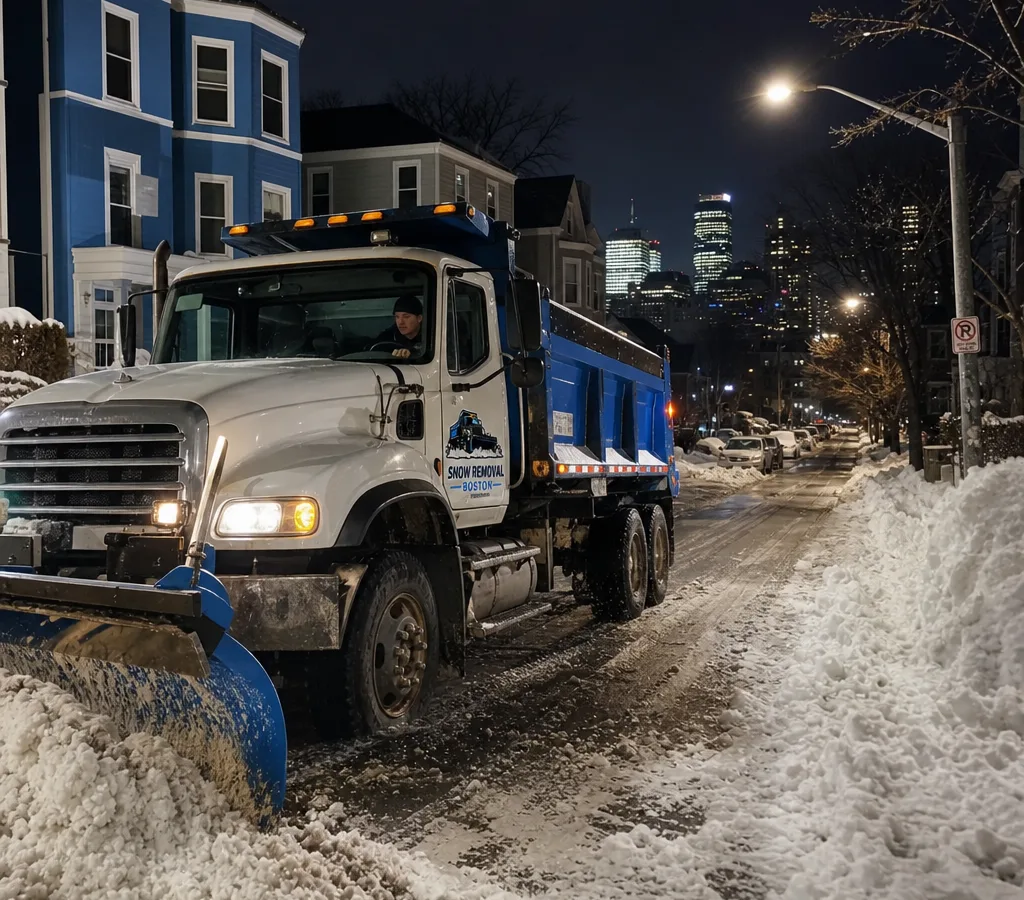
Snow plow service in Boston, Massachusetts
Fast, dependable plowing for Boston driveways, small lots, and commercial properties. Get a clear plan for timing, access, and where the snow will go before the next storm hits.
Access-first plowing
If you searched snowplow boston because you need your driveway or lot opened up quickly after a storm, you're in the right place. Snow Removal Boston provides plowing that focuses on access first: keeping vehicles moving, entrances clear, and surfaces safer for residents, tenants, and customers.
Boston has challenges that change how plowing should be done. Many properties have short driveways, narrow curb cuts, limited snow storage, and parked cars that reduce turning space. In areas like the North End and Beacon Hill, the streets and alleys are tighter and timing matters if you want a clean pass without blocking neighbors. In South Boston and the Seaport, wind can pack snow into dense drifts along open edges and garage entries. In Dorchester and West Roxbury, longer driveways and varied grades often need more than one pass to keep traction and visibility.
Our goal is simple: show up when it counts, plow with control, and leave you with a practical result you can use right away. For customers looking for broader winter coverage, Snow Removal Boston MA also provides snow removal services in Boston.
Controlled storm service
We account for tight turns, parked cars, and delivery schedules. The plan includes how we enter, where we stack snow, and how we keep doors, garages, and lanes usable.
From single-family driveways to small lots and multi-unit properties, we tailor equipment and timing to keep access consistent through the storm and after the final pass.
We prioritize curb cuts, ramps, and high-traffic zones where packed snow becomes slick. Clearing these areas early helps prevent vehicles from rutting and refreezing the surface.
Boston properties often have raised curbs, pavers, speed bumps, and tight retaining walls. We plow with controlled angles and speed to reduce scarring and missed sections.
You'll know what to expect: when the first pass is likely, what conditions may trigger extra visits, and what access we need, such as moving cars, for a full clear.
Plan the pile before the pass
Good plowing is not only about pushing snow out of the way. It's about pushing it to the right place.
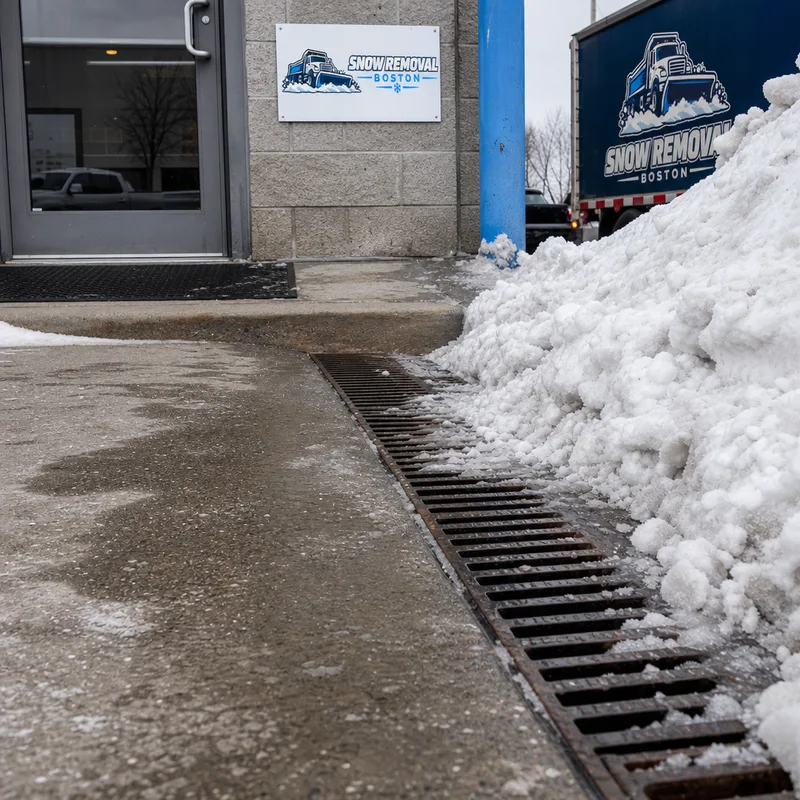
On many Boston lots, the biggest constraint is snow storage. A few storms can turn a neat stack into a wall that blocks sightlines at the driveway exit or narrows parking spaces to the point they become unusable. We plan stacking locations that protect visibility and drainage and keep walkways and entrances from getting buried by the next pass.
We also look at:
If your site routinely runs out of room to stack snow safely, it may be a fit for hauling and relocation. That work is covered separately in our snow hauling in Boston service.
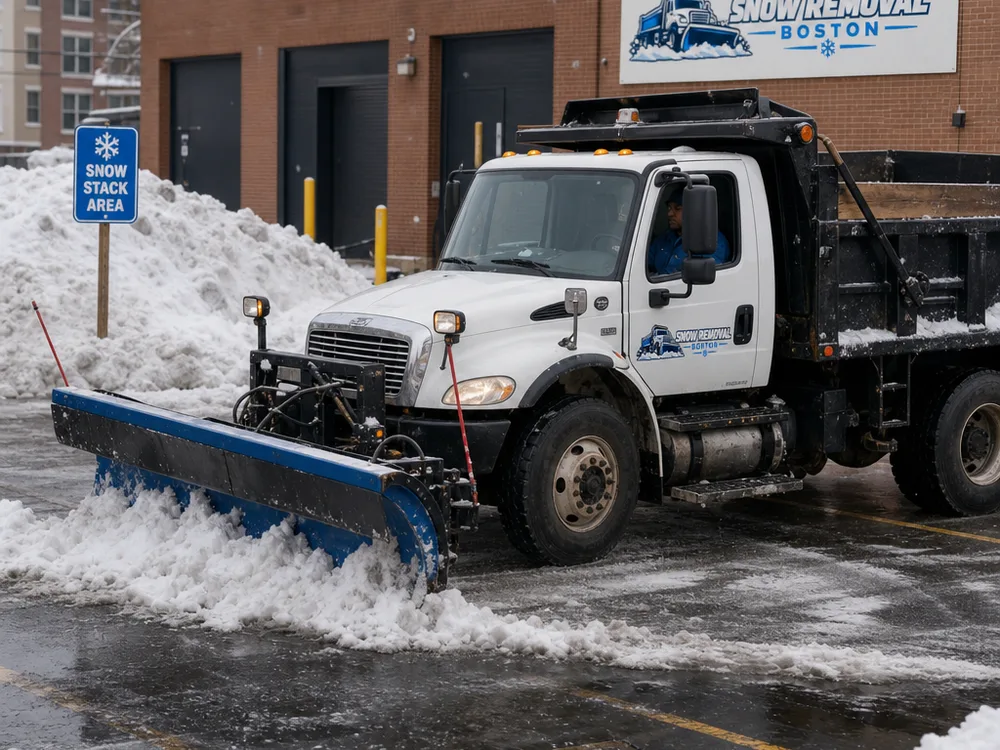
We confirm the areas you want plowed, where we can safely stack snow, and any constraints like tight gates, overhead clearance, or parked-car patterns.
When snowfall builds to the level that calls for plowing, we prioritize access. The first pass opens drive lanes and key entrances so the property can function.
Heavier snowfall and wind-driven drifting often require additional visits. We focus on preventing packed snow from turning into ruts that freeze solid.
After the storm ends, we tighten edges, open up parking and turning areas, and address areas that tend to get buried by plow windrows.
If we see a stacking issue, visibility hazard, or an area that needs a different approach next time, we flag it so the plan improves rather than repeating the same problem.
Straightforward plowing pricing
Snowplow service in Boston typically ranges from about $60 to $150 per visit for many residential driveways, while small commercial lots often run about $150 to $450+ per visit depending on size and how many areas must stay open. Pricing changes most with square footage, depth, timing (overnight vs daytime access), parked cars, tight maneuvering, and how far snow must be pushed or stacked. Your exact cost is confirmed after a quick review of the property and access.
Clear access, controlled stacking
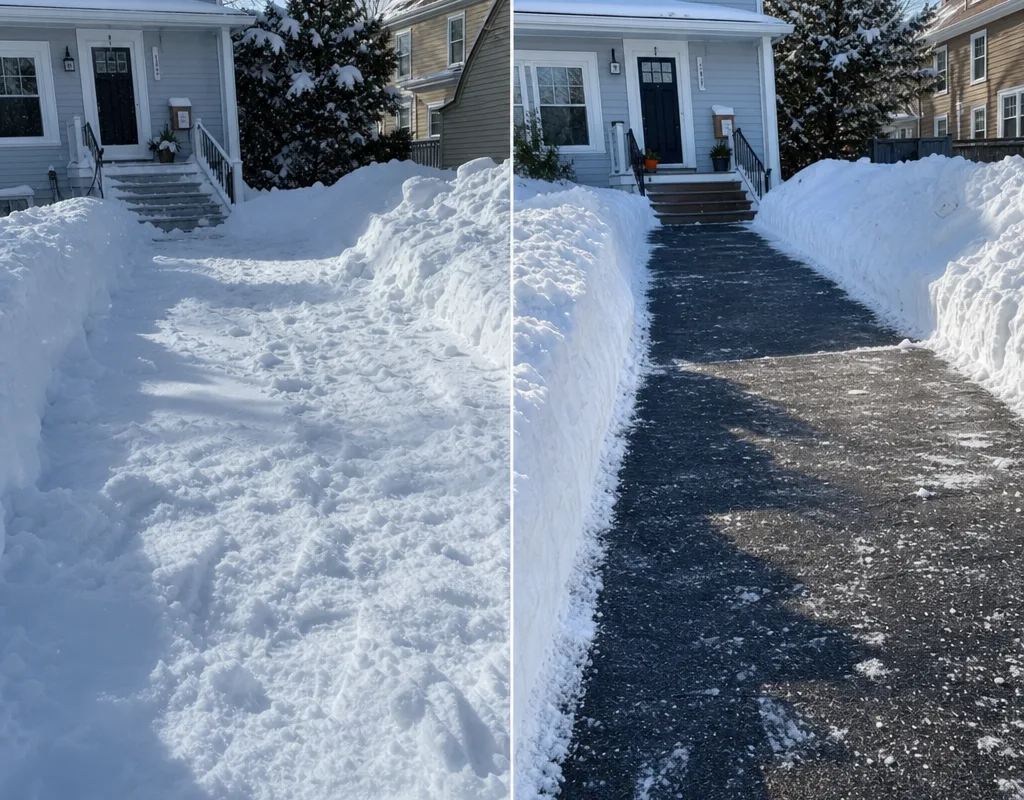
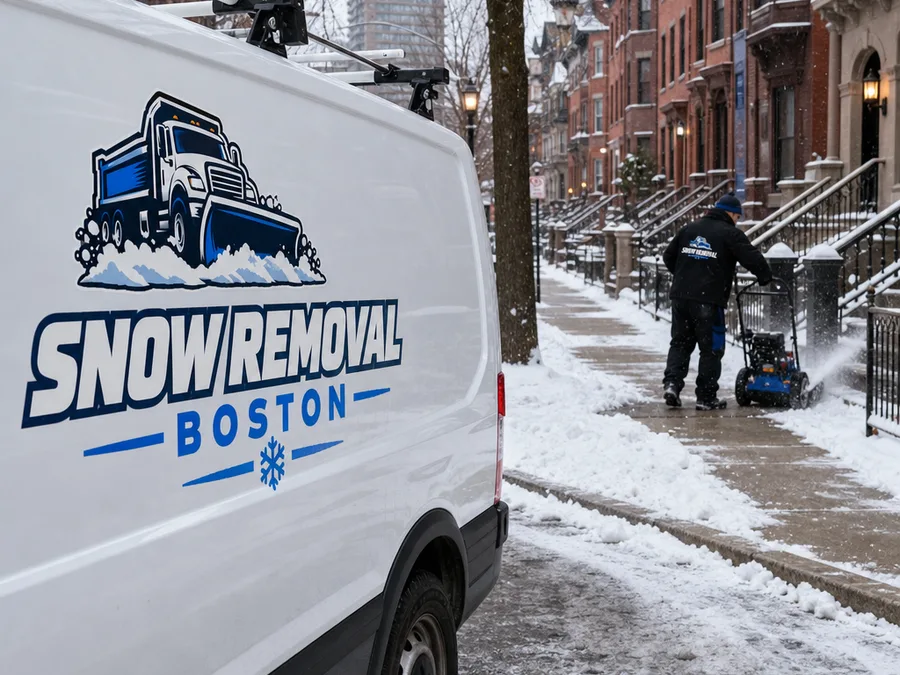
“We have a tight driveway and street parking makes it even tighter. They cleared it cleanly and kept the apron open so we could actually get out in the morning.
“Our lot needs a clear lane for deliveries even during the storm. The timing and follow-up passes were the difference between usable access and packed ruts.
“They planned where to stack snow so it didn't block visibility at the exit. That detail matters on our corner property.
Plan before snowfall
Most plowing starts once accumulation reaches a practical trigger depth and continued snowfall would quickly block access again. For many properties, that means opening up a first pass during the storm, then returning for follow-up passes as snow continues and a final cleanup after it ends.
We plow both residential driveways and commercial properties, and the approach is different for each. Boston driveways often need tighter maneuvering, careful stacking, and protection around curbs, pavers, and garage thresholds, while lots are planned around traffic lanes, parking rows, and visibility at exits.
Move vehicles when possible and keep the intended plow path clear of obstacles like trash bins, cones, and low items near the curb line. If your property has a tight turn or limited stacking space, a quick agreement on where snow can be pushed prevents rework and blocked sightlines later.
Yes, we work with multi-unit and managed properties where timing, access, and consistency matter. The key is agreeing on priority areas, such as garage entries, main lanes, and accessible routes, plus how to handle parked cars so the site can be fully cleared.
Plowing reduces the bulk of snow, but melt and refreeze can still create ice, especially around low spots and drainage points. We plan passes to avoid burying catch basins and we can coordinate de-icing where needed; that work is handled under our ice management in Boston service when conditions call for it.
If stacking space runs out, plowing alone can create tall piles that block visibility and reduce usable parking. In those cases, the practical fix is hauling snow off-site, especially after successive storms compress and freeze piles into hard banks.
Plan before the next storm
Tell us what you need cleared, what access constraints you have, and when the property must be open. We'll confirm a plowing approach that fits Boston conditions and your site layout.